




QR Code

Products
Contact Us

Phone

Email

Address
No. 12 Jianye Road, Shunde District, Foshan City, Guangdong Province, China


Article Summary: A high-quality mattress should provide more than a soft sleeping surface. A Knitted Fabric Memory Foam Mattress combines a skin-friendly knitted cover with pressure-responsive memory foam and supportive comfort layers to create a balanced sleeping experience. Xinzhiyue offers mattress solutions designed for family bedrooms, hotels, serviced apartments, and commercial bedding projects. This guide explores the mattress structure, comfort benefits, material considerations, purchasing criteria, and customization opportunities for homeowners, distributors, and hospitality buyers.
1. What Is a Knitted Fabric Memory Foam Mattress?
2. Key Materials and Construction
3. What Are the Main Benefits?
4. How Does It Compare with Other Mattresses?
5. How to Choose the Right Mattress
6. Applications for Homes and Hotels
7. Customization and Quality Control
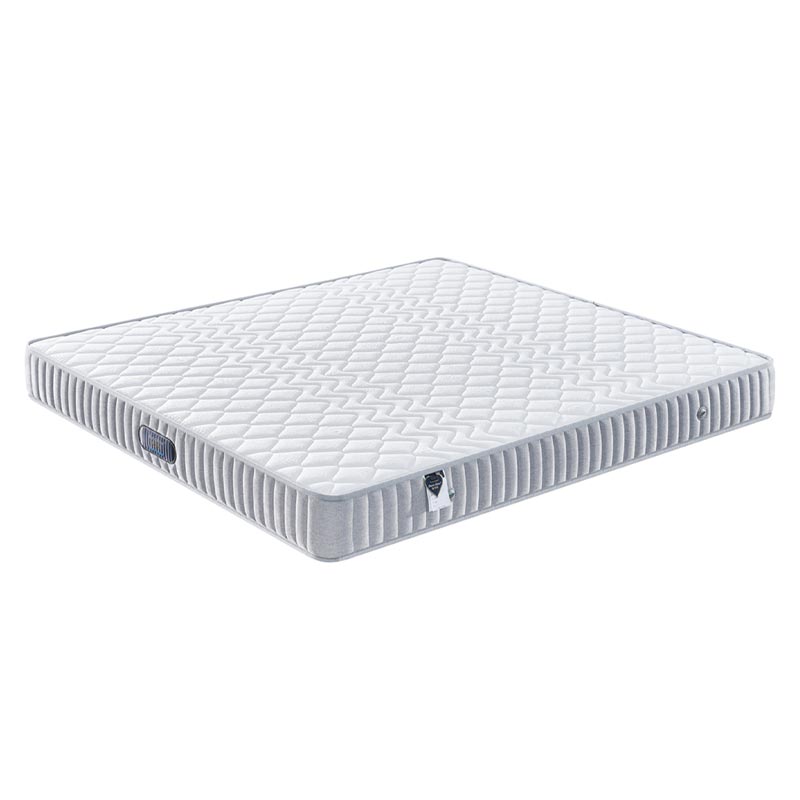
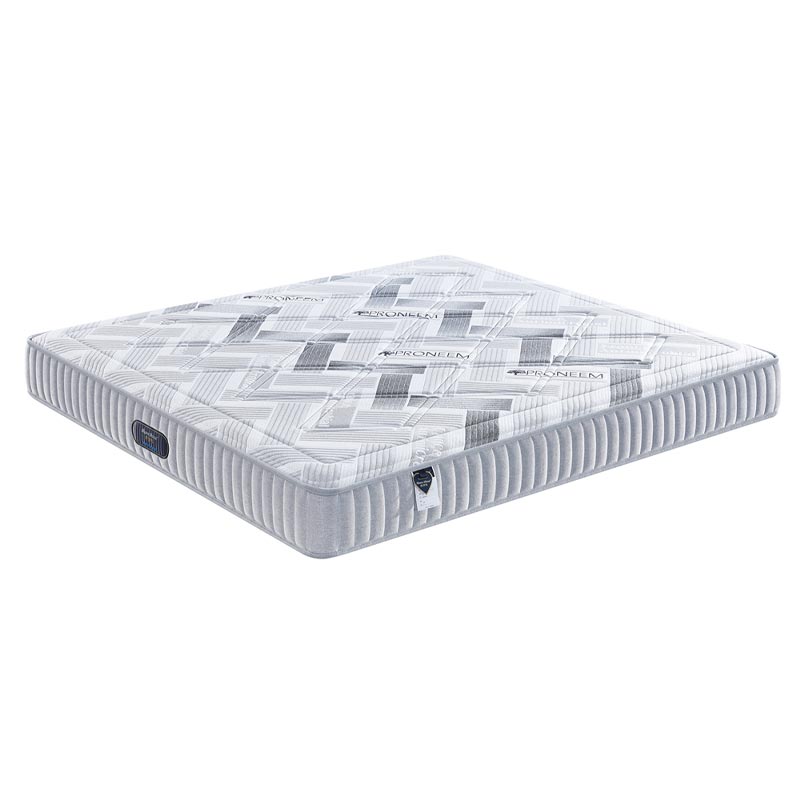
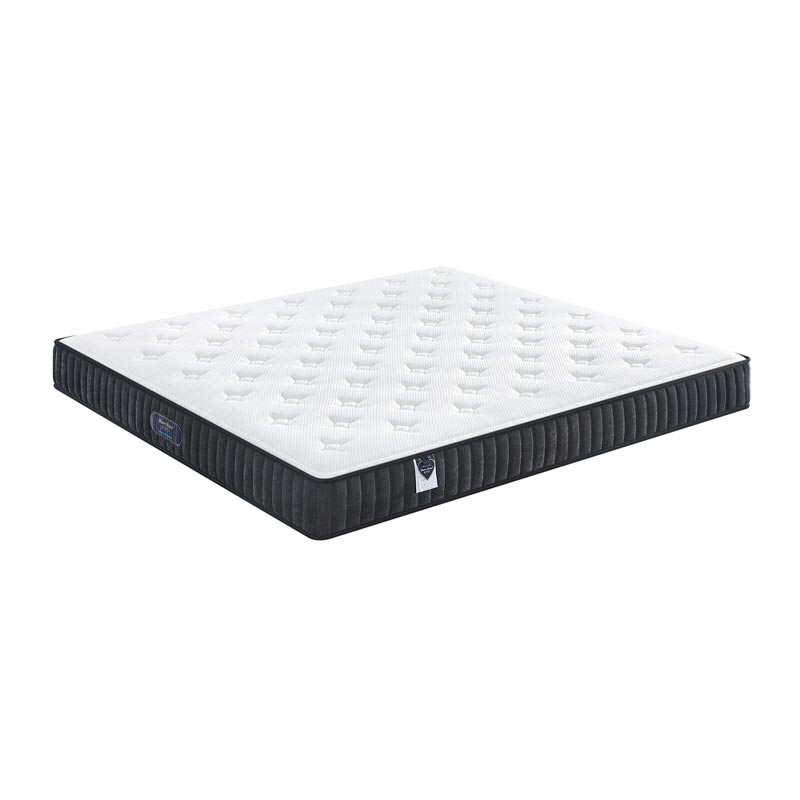
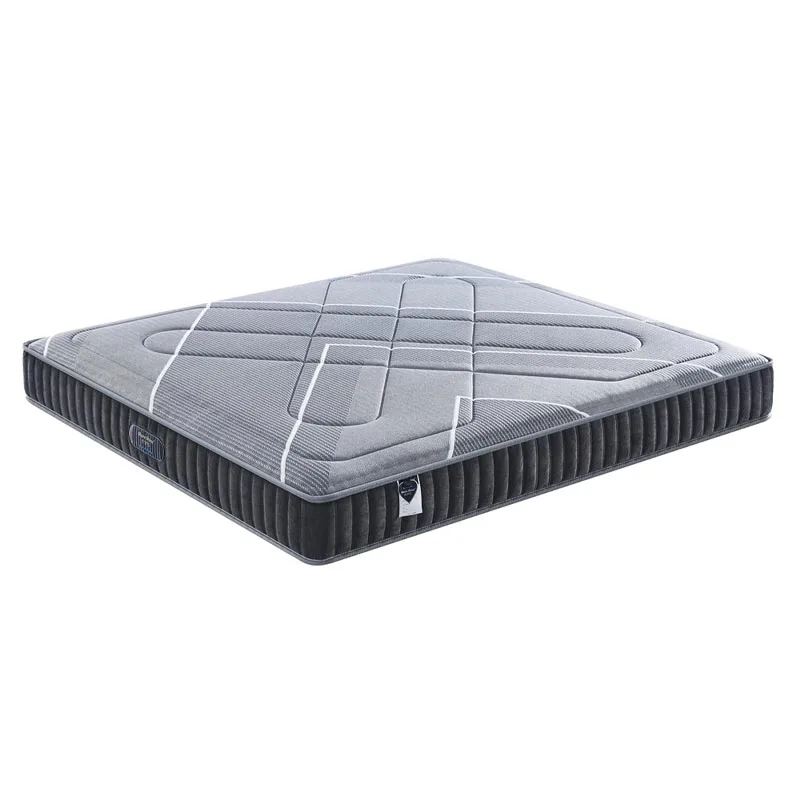
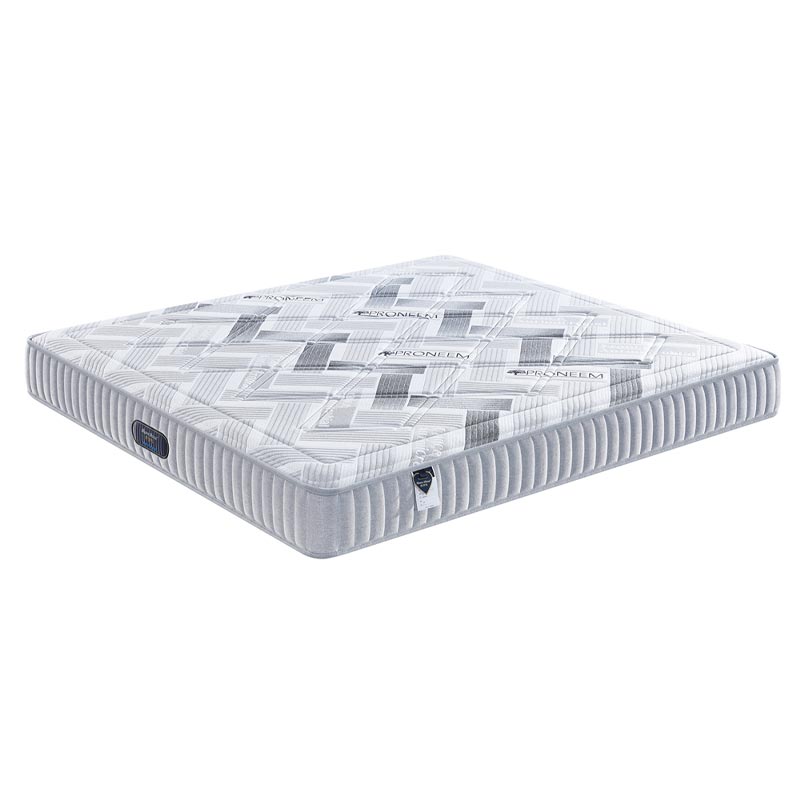
A Knitted Fabric Memory Foam Mattress is designed to combine the soft, flexible feel of knitted upholstery with the contouring characteristics of memory foam. Depending on the model, additional latex, high-density foam, or an independent spring system may be incorporated to improve resilience, support, and overall comfort.
Unlike conventional mattress covers made from less flexible woven fabrics, knitted fabric can stretch and adapt to the mattress surface. This creates a smooth, comfortable sleeping interface while allowing the underlying comfort layers to respond to the sleeper's body.
Xinzhiyue develops mattress products for residential and hospitality applications, combining material selection, layered construction, and manufacturing experience to meet different market requirements. Its knitted fabric memory foam mattress is intended for family bedrooms, hotels, serviced apartments, and bulk procurement projects.
For buyers, the main consideration is how effectively the cover, comfort layers, and support structure work together. A mattress should feel comfortable when first tested while also maintaining appropriate support throughout regular use.
The performance of a mattress depends on more than its outer appearance. Each material contributes to the overall feel, pressure distribution, breathability, and structural stability of the finished product.
The knitted cover forms the first point of contact between the sleeper and the mattress. Its flexible structure offers a soft hand feel and helps the sleeping surface adapt to the underlying cushioning layers. Fabric weight, fiber composition, knitting pattern, and quilting design can all influence the final experience.
Xinzhiyue's product information specifies a 350 GSM knitted fabric for this mattress model. Buyers should confirm the exact fabric composition, color, finishing, and available alternatives when requesting a quotation or customized order.
Memory foam responds to body heat and pressure, gradually conforming to the sleeper's contours. This characteristic can help distribute pressure across areas such as the shoulders, hips, and lower back, depending on the foam formulation and mattress thickness.
The resulting sensation is different from the immediate bounce of traditional high-resilience foam. Some sleepers appreciate the closer contouring, while others prefer a more responsive or firmer surface. Foam density, firmness, thickness, and recovery behavior should therefore be considered together.
Additional comfort and support layers can influence how a mattress responds to movement. Latex is often selected for its resilience, while high-density foam can provide a stable foundation for the upper comfort layers. Some mattress constructions also use breathable 3D materials or independent springs to support airflow and responsiveness.
The exact internal configuration varies by product. Before ordering, buyers should request a confirmed layer specification rather than assuming that every mattress marketed as memory foam contains identical materials.
| Component | Primary Function | What Buyers Should Check |
|---|---|---|
| Knitted fabric cover | Provides a soft, flexible sleeping surface | Fabric weight, fiber composition, texture, and finishing |
| Memory foam | Contours to the body and helps distribute pressure | Density, firmness, thickness, and recovery |
| Latex or resilient comfort layer | Contributes to cushioning and responsiveness | Material type, thickness, and resilience |
| Support core | Helps maintain structural stability and support | Core construction, durability, and firmness |
| Protective packaging | Helps protect the product during transport | Packaging method, shipping conditions, and handling requirements |
The main advantage of a well-designed knitted fabric memory foam mattress is the combination of surface comfort and responsive cushioning. However, the actual experience depends on the materials, construction, and suitability of the mattress for each sleeper.
Memory foam adapts to the body's shape instead of relying entirely on immediate spring-back. This can help distribute pressure more evenly and improve comfort for people who experience discomfort at common pressure points. Side sleepers, in particular, may appreciate adequate cushioning around the shoulders and hips.
Nevertheless, pressure relief should not be confused with a medical treatment. People with specific back or joint concerns should select a mattress according to their individual needs and professional guidance where appropriate.
Knitted fabric contributes to the initial tactile experience. Its flexible construction can create a comfortable surface that complements the gradual contouring of memory foam. For hospitality businesses, this combination can help deliver a welcoming first impression when guests lie down.
A mattress should accommodate the sleeper's body shape, weight, and preferred position. Side sleepers often need more cushioning at pressure points, while back sleepers may prefer balanced support beneath the lumbar area. Stomach sleepers frequently benefit from a firmer, less yielding surface to help prevent excessive sinking.
No single firmness level suits everyone. The complete mattress structure matters more than the label printed on the packaging.
A knitted fabric memory foam mattress can serve different purchasing needs, from an individual bedroom upgrade to a hotel room refurbishment. Manufacturers may offer different sizes, thicknesses, fabrics, firmness levels, and internal constructions to suit specific project requirements.
Understanding the differences between mattress types helps buyers choose a product that matches their expectations. Knitted fabric describes the cover material, while memory foam describes a comfort material; these are not competing mattress categories. A single mattress can incorporate both, along with other materials.
| Mattress Type | Typical Feel | Potential Advantages | Important Considerations |
|---|---|---|---|
| Knitted fabric memory foam mattress | Soft surface with contouring comfort | Combines a flexible cover with pressure-responsive cushioning | Check heat retention, firmness, and foam specifications |
| Traditional foam mattress | Varies from firm to plush | Simple construction and a wide range of firmness options | Performance depends heavily on foam quality and density |
| Latex mattress | Generally responsive and resilient | Offers buoyant cushioning and quick recovery | Confirm whether the latex is natural, blended, or synthetic |
| Pocket spring mattress | Usually more spring-responsive | Individually wrapped springs can provide localized support | Comfort depends on spring design and the upper foam layers |
| Hybrid mattress | Combines several comfort characteristics | Can balance contouring, resilience, and structural support | Review the complete layer structure and overall mattress height |
For buyers comparing several products, it is useful to review the foam mattress range from Xinzhiyue alongside the knitted fabric memory foam mattress. Comparing construction details, intended applications, and customization options can make the selection process more practical.
Selecting the right mattress requires more than comparing prices or choosing the softest available model. The following criteria help residential buyers and commercial procurement teams evaluate a product systematically.
Firmness is subjective and can vary between manufacturers. A medium-feel mattress may provide a useful starting point for many sleepers, but body weight, sleeping position, and personal comfort preferences can change the ideal choice.
Ask for information about the knitted cover, foam density, comfort-layer thickness, support core, and any latex or spring components. Clear specifications help buyers compare products on an equivalent basis instead of relying on marketing descriptions alone.
Measure the bed frame and account for the intended bedding. Standard sizes vary by country and market, so international buyers should confirm dimensions in centimeters or inches before production.
Memory foam can retain more heat than some alternative materials, depending on its formulation and construction. Breathable covers, ventilated layers, and appropriate bedroom conditions may improve comfort. Buyers who sleep hot should ask about airflow-oriented designs and test the mattress when possible.
Durability depends on foam quality, construction, usage conditions, and maintenance. Request clear warranty terms that distinguish cosmetic issues, material defects, and structural problems. For hotel procurement, also consider replacement costs and the availability of repeat orders with consistent specifications.
Before placing a bulk order, use this checklist:
The versatility of a knitted fabric memory foam mattress makes it suitable for a range of bedding applications, provided that its specifications match the intended use.
For residential use, the focus is on individual comfort, sleeping posture, mattress dimensions, and ease of maintenance. A soft knitted cover and contouring comfort layer may create an inviting surface for everyday sleep.
Hotels need to balance guest comfort with repeatable product quality and lifecycle cost. Mattress selection should account for room categories, occupancy patterns, housekeeping practices, and the property's desired comfort profile.
Buyers should also assess the practical requirements of replacing individual mattresses while maintaining a consistent experience across multiple rooms.
Long-stay accommodation requires bedding that remains comfortable during regular use. Consistent specifications, suitable support, and straightforward maintenance can help operators manage replacement planning and furnishing budgets.
For overseas distributors and project buyers, supplier evaluation should include manufacturing capability, communication, customization, packaging, export documentation, and after-sales support. A clearly documented specification can reduce misunderstandings when products are ordered repeatedly.
Customization is particularly valuable when a mattress must meet a specific retail positioning, hotel standard, or regional market preference. Xinzhiyue provides mattress manufacturing and customization services, with options that buyers can discuss according to their project requirements.
Depending on the model and production feasibility, customization discussions may cover:
Quality assurance should cover incoming materials, production consistency, finished dimensions, stitching, surface appearance, and packaging integrity. Where performance claims are important, buyers should request appropriate supporting test documentation rather than relying solely on general product descriptions.
Xinzhiyue reports a manufacturing base of approximately 16,000 square meters and experience supplying hospitality customers. For project orders, procurement teams should confirm the production capacity, applicable certifications, inspection procedures, and delivery commitments relevant to the specific product.
Explore the Knitted Fabric Memory Foam Mattress product page for further product information and inquiry options.
Appropriate maintenance helps preserve the appearance and performance of a mattress. The recommended procedure depends on its cover construction and whether the cover is designed to be removable.
Do not assume that a mattress cover is washable simply because the product contains washable or removable components. Confirm the exact care instructions for the model you purchase.
The key difference is the combination of a knitted fabric cover and memory foam comfort layers. The knitted surface provides a flexible, soft feel, while memory foam contours to the body. A regular foam mattress may use different cover fabrics and foam formulations, so the actual comfort depends on the complete construction.
Yes. It can be suitable for hotels, serviced apartments, and guest rooms when its durability, firmness, dimensions, and maintenance requirements match the property's needs. Commercial buyers should evaluate representative samples and confirm specifications before approving a bulk order.
Not necessarily. Heat retention varies with foam formulation, layer thickness, cover fabric, and mattress construction. Buyers who are sensitive to heat should compare ventilation features and consider mattresses designed to encourage airflow.
Xinzhiyue offers mattress customization options for different purchasing requirements. Depending on the selected model, buyers can discuss dimensions, thickness, fabric, firmness, and internal construction with the supplier. Final options should be confirmed in a written quotation and specification.
The product information lists a size of 180 × 200 × 24 cm. Buyers should verify the available sizes and confirm the final dimensions before ordering, particularly when sourcing for international markets or hotel projects.
Wholesale buyers should review the material specification, sample quality, minimum order quantity, production lead time, packaging, shipping arrangements, warranty, and relevant quality documentation. Confirming these details in writing helps ensure that the delivered goods match the agreed requirements.
Use the manufacturer's care instructions. A compatible mattress protector can help prevent stains, while small spills should be blotted promptly without soaking the foam. Only remove and wash the cover if it is specifically designed for that purpose.
A Knitted Fabric Memory Foam Mattress can be a practical choice for buyers seeking a soft fabric surface, contouring comfort, and a layered support structure. The best product is one whose materials, firmness, dimensions, and durability match the needs of its intended users. Careful specification reviews and sample evaluation are especially important for hospitality projects and wholesale purchasing.
As a mattress manufacturer serving residential and commercial markets, Xinzhiyue provides product information and customization support to help buyers evaluate suitable bedding solutions. Whether you are furnishing a family bedroom, upgrading hotel rooms, or sourcing mattresses for distribution, contact us to discuss your required specifications, customization options, and bulk purchasing needs. Work with Xinzhiyue to identify a mattress solution aligned with your comfort expectations, project requirements, and business goals.
No. 12 Jianye Road, Shunde District, Foshan City, Guangdong Province, China