



QR Code

Products
Contact Us

Phone

Email

Address
No. 12 Jianye Road, Shunde District, Foshan City, Guangdong Province, China


A comfortable mattress should do more than provide a place to sleep; it should offer dependable support, effective ventilation, and lasting value. Xinzhiyue combines mattress manufacturing experience with practical bedding solutions to help homeowners, hotel operators, and wholesale buyers find suitable sleep products. A Palm Fiber Mattress is worth considering for buyers who prefer a firmer sleeping surface, appreciate plant-based materials, and want to explore alternatives to conventional foam-only designs. Understanding its construction, benefits, limitations, and purchasing considerations can help you make a more informed decision.
A Palm Fiber Mattress uses fibers derived from palm materials to create a supportive mattress layer or core. Depending on its construction, it can offer a relatively firm feel, a structured sleeping surface, and airflow through the fiber layer. These characteristics make palm fiber an option for residential bedrooms, guest rooms, hospitality projects, and selected commercial bedding applications. This guide explains how palm fiber mattresses work, what to evaluate before purchasing, and how to select a product that balances comfort, durability, and maintenance requirements.
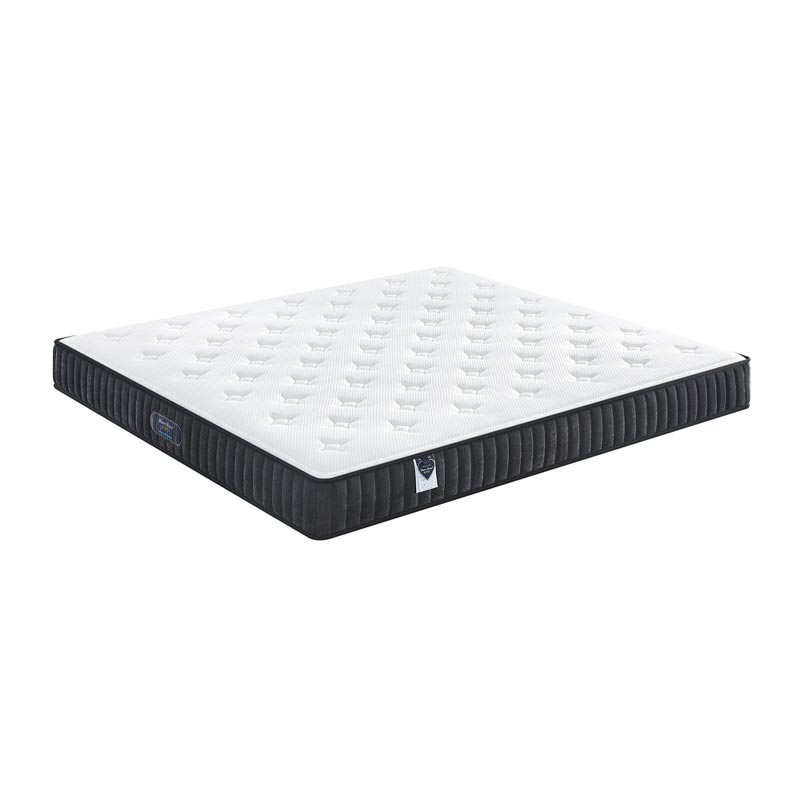
A Palm Fiber Mattress is a sleeping product that incorporates fibers obtained from palm plants into its internal support structure. These fibers are processed and assembled into a layer or core designed to provide a firm, stable foundation for the sleeper. The finished mattress may also include textile covers, cushioning materials, ventilation layers, or spring components, depending on the model.
Unlike conventional mattresses that rely primarily on soft foam or thick comfort padding, palm fiber designs are often selected for their structured feel. They can appeal to people who prefer less sinkage and a more stable sleeping surface. However, firmness varies according to fiber density, processing methods, mattress thickness, and the combination of materials used in the finished product.
For buyers comparing different bedding options, it is important to distinguish between a traditional all-fiber mattress and a hybrid mattress that incorporates palm-derived materials alongside other components. Reviewing the manufacturer's specifications helps establish exactly what is inside the product.
The performance of a palm fiber mattress depends on more than the presence of natural fibers. Material preparation, fiber bonding, core density, cover fabric, and overall assembly all influence its comfort and service life.
Palm-derived fibers are processed and arranged into a consistent layer or structural core. The way the fibers are cleaned, formed, bonded, and compressed affects the final product's firmness, resilience, and dimensional stability. Uniform construction is particularly important for preventing uneven areas across the sleeping surface.
Some mattress designs combine a firm fiber layer with softer cushioning materials. This arrangement can provide a balance between structural support and surface comfort. The cover fabric also contributes to the overall feel and can influence moisture management and everyday usability.
The spaces between fibers may support air movement through the material. Actual ventilation performance depends on the density of the core, the arrangement of the layers, the cover fabric, and the bed base. A well-designed mattress should maintain its intended shape under normal use while providing a sleeping surface appropriate for its target users.
When properly manufactured and matched to the user's needs, a palm fiber mattress offers several potential advantages.
These advantages should be assessed against the actual product specifications. Natural origin alone does not guarantee superior comfort, hypoallergenic performance, durability, or a smaller environmental footprint. Those characteristics depend on manufacturing quality, material treatment, testing, and the product's full life cycle.
Different mattress materials address different sleeping preferences. The following comparison provides a practical starting point for residential buyers, furniture retailers, and hospitality procurement teams.
| Mattress Type | Typical Feel | Potential Advantages | Key Considerations |
|---|---|---|---|
| Palm Fiber Mattress | Firm to relatively firm | Structured support and plant-derived fiber content | Check core bonding, firmness, and moisture management |
| Memory Foam Mattress | Contouring and pressure-adaptive | Close body conformity and reduced motion transfer in many designs | Heat retention and slow-response feel may concern some sleepers |
| Latex Mattress | Responsive and resilient | Elastic support and relatively quick recovery after compression | Price, latex composition, and material sensitivities require consideration |
| Spring Mattress | Variable, depending on padding and spring system | Supportive spring structure and a wide range of comfort options | Spring design, padding quality, and motion transfer vary by model |
| Hybrid Mattress | Balanced, depending on construction | Combines multiple materials to tailor support and cushioning | More complex construction can affect price and maintenance |
No single mattress type is best for every sleeper. People with different body weights, sleeping positions, temperature preferences, and pressure-sensitivity concerns may respond differently to the same design. Whenever possible, evaluate firmness and comfort through product samples, trial arrangements, or clear purchasing specifications.
The right palm fiber mattress can serve several types of bedding projects, provided that its firmness, dimensions, construction, and maintenance requirements match the intended environment.
Homeowners who prefer a firmer sleeping surface may consider palm fiber designs for primary bedrooms, spare rooms, or selected guest beds. Before purchasing, check whether the mattress is compatible with the bed frame and whether its surface comfort suits the intended sleeper.
Hotels and serviced apartments need mattresses that deliver a consistent guest experience while meeting operational requirements. Buyers should compare comfort specifications, durability testing, cleaning guidance, replacement availability, and the ability to supply matching products across multiple rooms.
Distributors may evaluate a Palm Fiber Mattress as part of a broader bedding portfolio. Consistent product specifications, reliable packaging, documented quality procedures, and clear communication about material composition help retailers manage customer expectations and purchasing decisions.
Dormitories, staff accommodation, and other shared living facilities may prioritize standardized dimensions, practical maintenance, and predictable procurement costs. The selected mattress should satisfy the facility's applicable fire-safety, hygiene, and performance requirements.
Comparing products systematically can help buyers avoid selecting a mattress based on material descriptions alone. Use the following checklist when evaluating suppliers.
For project buyers, a written specification sheet is especially useful. It allows procurement teams to compare quotations on an equivalent basis and reduces the risk of receiving products with different materials or comfort characteristics than expected.
Even a well-constructed mattress needs appropriate care. Daily use, humidity, body weight, bed-base support, and cleaning practices can all influence its condition over time.
Mattresses should be kept dry and stored in suitable conditions during transport or periods of non-use. If persistent dampness, visible mold, or structural damage develops, consult the supplier about appropriate next steps.
Palm fiber cores are commonly designed to provide a firm, structured feel. However, the final firmness depends on fiber density, bonding methods, cushioning layers, and overall construction. Always check the specifications of the particular model.
Yes, a properly constructed model can be used for everyday sleeping if its firmness, pressure distribution, dimensions, and support characteristics suit the sleeper. Individual comfort preferences vary, so product evaluation is recommended before purchase.
The fiber structure may promote airflow through the core, but cooling performance depends on the complete mattress design, including the cover, cushioning layers, bedroom temperature, and bedding. Look for product-specific ventilation information rather than assuming all palm fiber mattresses perform identically.
Palm-derived fibers are plant-based materials, but environmental performance depends on sourcing, processing, bonding agents, additional materials, transportation, and end-of-life disposal. Buyers seeking lower-impact bedding should request relevant environmental documentation and assess the complete product rather than its main fiber alone.
Customization may be available depending on the manufacturer's production capabilities and order requirements. Buyers should confirm acceptable dimensions, thickness, cover fabric, internal construction, packaging, minimum order quantity, and production lead time directly with the supplier.
Service life varies with construction quality, frequency of use, sleeper weight, moisture exposure, and maintenance. Ask the manufacturer for applicable durability test results and warranty details. There is no single lifespan that applies to every palm fiber mattress.
Use a mattress protector, maintain good room ventilation, clean the cover according to its care instructions, and avoid excessive moisture. Follow the manufacturer's guidance on rotation, storage, and bed-frame compatibility.
A Palm Fiber Mattress can be a practical choice for buyers seeking a firm sleeping surface and an alternative material profile to conventional foam-focused bedding. Its real-world performance depends on fiber processing, core construction, surface cushioning, ventilation, and quality control. By comparing specifications, checking material claims, and considering the needs of the intended sleeper or accommodation project, buyers can make more confident decisions.
Xinzhiyue provides mattress solutions for residential and commercial bedding needs. Whether you are sourcing products for a home, hotel, serviced apartment, or wholesale distribution business, our team can help you explore suitable specifications and purchasing options. Visit our Palm Fiber Mattress product page to learn more about the product. If you need product details, customized requirements, or a quotation for your next project, contact us to discuss your needs and identify a mattress solution that fits your application.
No. 12 Jianye Road, Shunde District, Foshan City, Guangdong Province, China